Ireland Participates in Important EU Sports Council Meeting
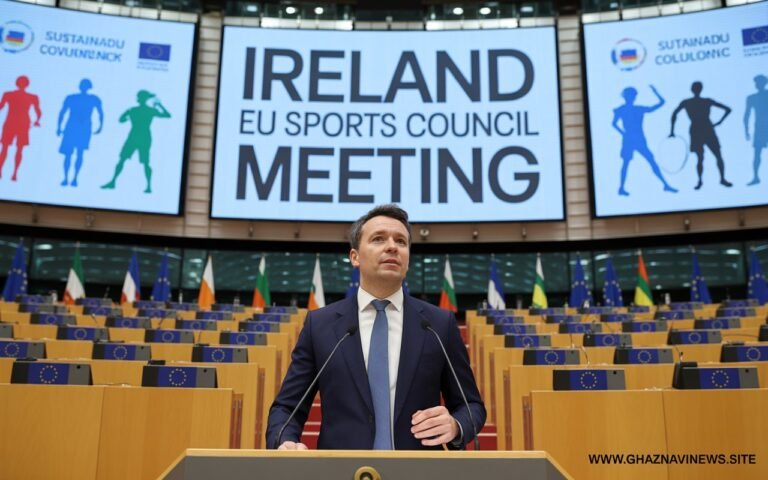
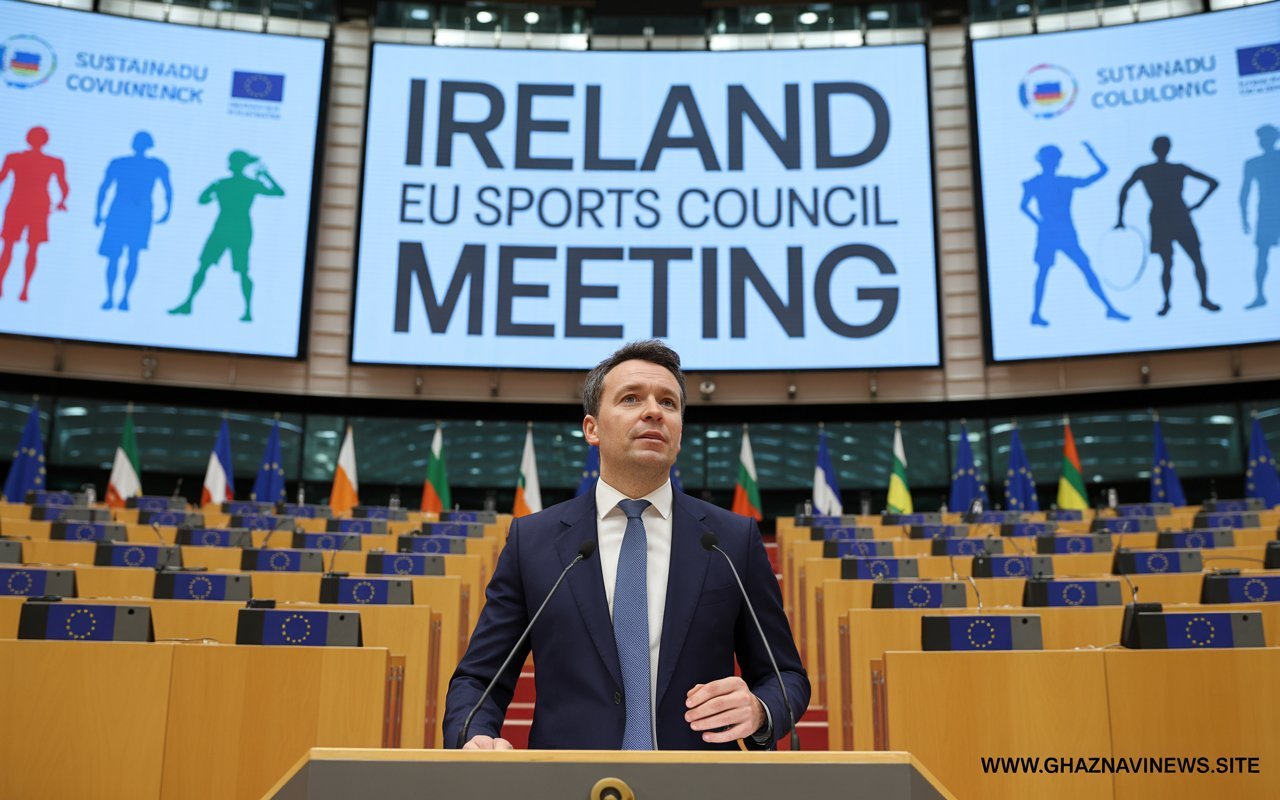
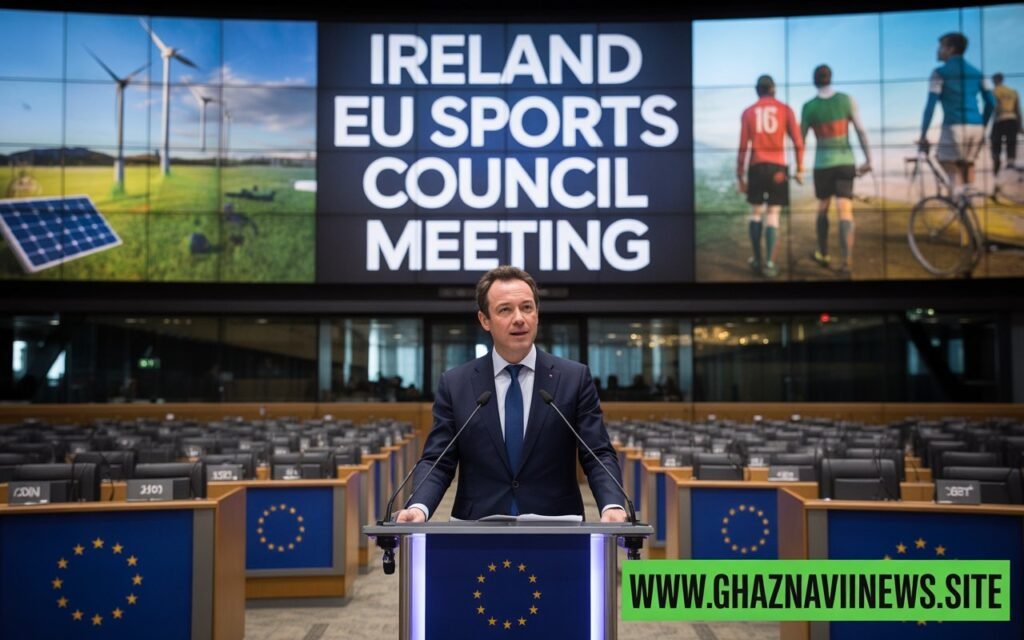
Charlie McConalogue represented Ireland at the European Union Sports Council meeting held in Brussels on May 12. The important gathering brought together European ministers to discuss the future of sports, culture, media, and sustainable development across the European Union.
The Ireland EU Sports Council Meeting focused on several major topics including sustainable sports tourism, athlete mental health, active ageing through sports, and the future direction of European cultural and media funding. The meeting also provided Ireland with an opportunity to outline its priorities ahead of the Irish Presidency of the European Council beginning on July 1, 2026.
The discussions reflected the growing importance of sports not only as entertainment but also as a driver of economic development, social inclusion, health improvement, and environmental sustainability throughout Europe.
Sustainable Sports Tourism Takes Center Stage
One of the key discussions during the Ireland EU Sports Council Meeting was the role of sports tourism in sustainable development. European ministers aimed to approve Council conclusions recognizing how sporting events and tourism can positively contribute to local economies, social unity, and environmental responsibility.
Sports tourism has become a rapidly expanding sector worldwide. Major international sporting events attract millions of visitors, generate employment opportunities, and boost hospitality industries. However, European leaders are increasingly focused on ensuring that these events are environmentally responsible and socially beneficial.
Ireland highlighted its recently launched Major International Sports Event Strategy, which provides a transparent framework for hosting international sporting competitions. According to Minister Charlie McConalogue, this strategy can play a major role in advancing sustainable sports tourism goals.
The framework aims to ensure that sporting events hosted in Ireland create long-term value for communities while reducing environmental impact and promoting economic growth.
Athlete Mental Health Remains a Top Priority
Another major topic at the Ireland EU Sports Council Meeting was mental health in sports. Ministers exchanged views on supporting athlete well-being and creating safer sporting environments across Europe.
The discussion focused on both individual resilience and system-wide responsibility. European officials acknowledged that athletes often face immense pressure, stress, and mental health challenges during their careers. Therefore, governments and sports organizations must work together to provide proper support systems.
Minister McConalogue emphasized that athlete mental health remains a priority area for Ireland. He highlighted several initiatives already being implemented to protect players and ensure safe participation in sports activities.
The meeting explored ways to improve mental health awareness, strengthen support services, and encourage open conversations about psychological well-being in professional and amateur sports.
Experts believe that addressing mental health challenges in sports can improve athletic performance, reduce burnout, and create healthier sporting communities for future generations.
Active Ageing Through Sports Discussed
The Ireland EU Sports Council Meeting also included informal policy discussions on active ageing through sports participation. European ministers explored how sports and physical activities can improve health, well-being, and social engagement among older adults.
Many European countries face ageing populations, increasing pressure on healthcare systems, and rising concerns about loneliness and inactivity among senior citizens. Sports and recreational programs are increasingly viewed as effective tools to encourage healthier lifestyles and stronger social connections.
Participants discussed strategies for making sports more accessible to older individuals and promoting lifelong participation in physical activity.
The discussions aligned with broader European Union goals related to public health, inclusion, and community development.
Culture and Media Funding Also on the Agenda
Beyond sports, ministers at the meeting also discussed future European Union funding programs related to culture, media, and civil society.
One major topic was the proposed AgoraEU initiative, which aims to support cultural cooperation, media development, and civic participation across EU member states.
The meeting also included discussions on the EU Work Plan for Culture 2027-2030. Officials exchanged ideas about future priorities for preserving cultural heritage, supporting creative industries, and promoting European values through cultural collaboration.
Minister McConalogue also presented Ireland’s planned work program and priorities for its upcoming presidency covering culture, audiovisual media, sports, and related sectors.
Ireland Prepares for EU Presidency Role
The Ireland EU Sports Council Meeting served as an important platform for Ireland to outline its vision ahead of assuming the Presidency of the Council of the European Union in July 2026.
During the presidency period, Ireland will help coordinate discussions and policy development among EU member states across multiple sectors.
Minister McConalogue welcomed the opportunity to engage with fellow EU ministers and shape future European policies related to sports, culture, media, and public well-being.
He stressed that Ireland remains committed to promoting safe sports participation, sustainable tourism, and stronger support systems for athletes and communities.
Ireland’s upcoming presidency is expected to focus on collaboration, innovation, inclusion, and sustainable development throughout Europe.
Growing Importance of Sports in European Policy
The Ireland EU Sports Council Meeting demonstrated how sports policy is becoming increasingly connected with wider social and economic goals.
European governments now recognize that sports can contribute to:
- Economic development
- Tourism growth
- Public health improvement
- Social inclusion
- Mental health awareness
- Environmental sustainability
As countries continue investing in sports infrastructure and international competitions, policymakers are also seeking ways to maximize long-term community benefits while minimizing environmental challenges.
The Brussels meeting highlighted Europe’s shared commitment to using sports as a positive force for development and unity.